categories on shopnaclo – Comprehensive Guide to Navigation, Discovery, and E-Commerce Success
In today’s fast-paced digital economy, online retail platforms have transformed the way consumers discover, evaluate, and purchase products. From small boutique shops to large-scale marketplaces, these platforms offer an organized and streamlined approach to shopping that caters to diverse needs. Central to their success is the way information is presented to users, particularly through product categories, filters, and recommendation systems. This article explores how structured categorization enhances user experience, drives sales, and supports informed purchasing decisions.
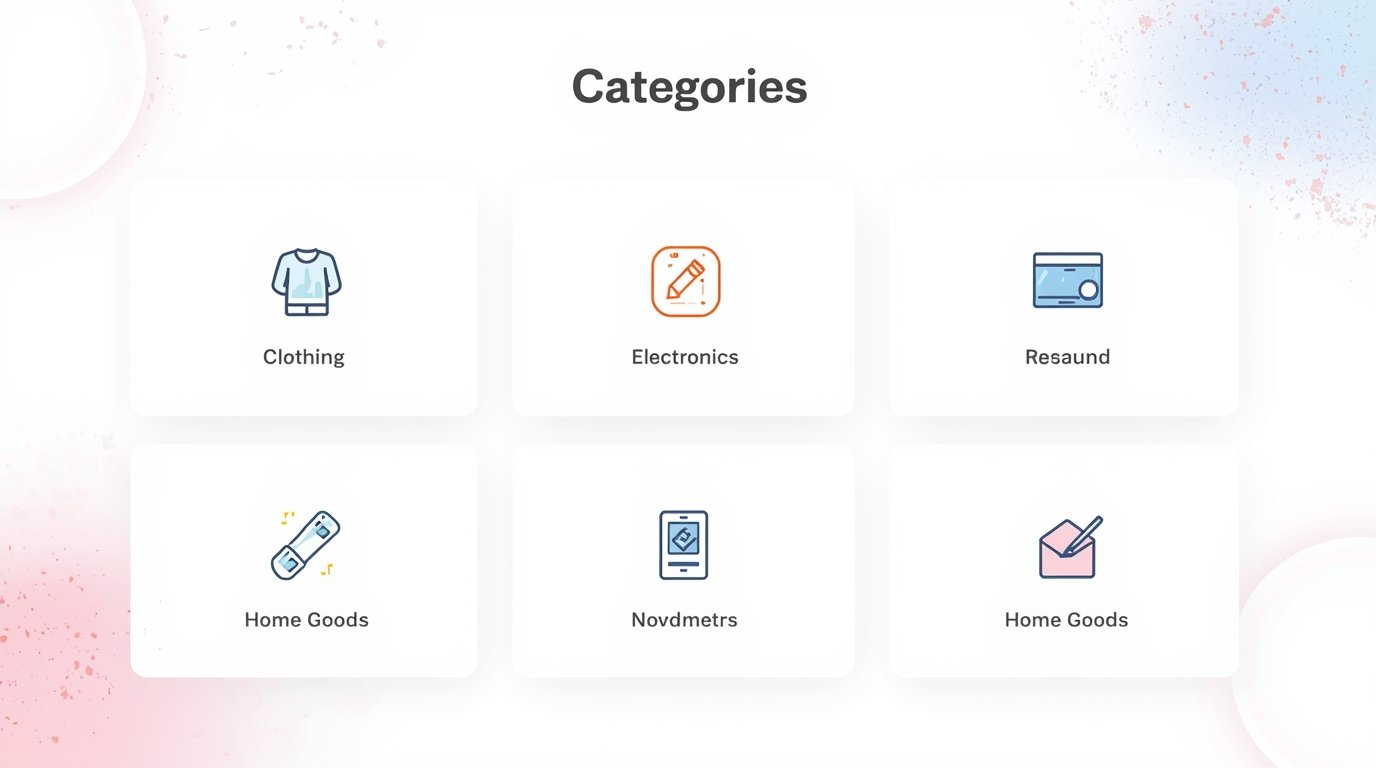
The importance of categories on shopnaclo cannot be overstated. For both new and returning users, a clear categorization system simplifies navigation and helps identify desired products quickly. Beyond convenience, categorization also supports effective marketing strategies, as it allows sellers to highlight featured items and seasonal promotions in a structured manner. This dual benefit—enhancing usability while boosting engagement—forms the cornerstone of modern e-commerce success.
Understanding Product Categorization in E-Commerce
The Role of Categories in User Experience
categories on shopnaclo plays a crucial role in improving user experience. Modern consumers expect to find products efficiently, and they often base their shopping satisfaction on how easily they can navigate a platform. Categories organize products logically, making it possible for users to browse by type, function, price range, or brand www shopnaclo com.
In the middle of platform design discussions, categories on shopnaclo serve as a guidepost for users. Instead of overwhelming shoppers with hundreds of unstructured items, a well-thought-out category system reduces decision fatigue. This organizational approach not only benefits users but also increases retention rates, as satisfied users are more likely to return to a platform that makes their shopping journey seamless.
Benefits for Sellers and Merchants
Starting a paragraph with categories on shopnaclo highlights the advantages for sellers as well. When products are correctly categorized, sellers gain better visibility and enhanced targeting opportunities. Categories help promote products in relevant sections, increasing the likelihood of discovery by potential buyers.
Mid-paragraph, categories on shopnaclo also provide data-driven insights for merchants. By analyzing user interactions within categories, sellers can identify high-performing products, understand consumer preferences, and adjust inventory accordingly. This integration of categorization and analytics contributes significantly to strategic decision-making.
Enhancing Discoverability and Sales Through Categories
Driving Product Visibility
categories on shopnaclo at the start of a paragraph underscores its role in driving visibility. Shoppers tend to navigate within categories that align with their interests, and well-labeled categories facilitate exposure to new or complementary products. This approach increases chances for cross-selling and upselling.
In the middle of the paragraph, categories on shopnaclo ensures that products are presented in contextually relevant ways. Instead of random placement, categorization aligns products with user intent, leading to higher engagement and more efficient browsing. As a result, platforms can optimize their layouts and recommendation engines to match consumer expectations.
Supporting Targeted Marketing
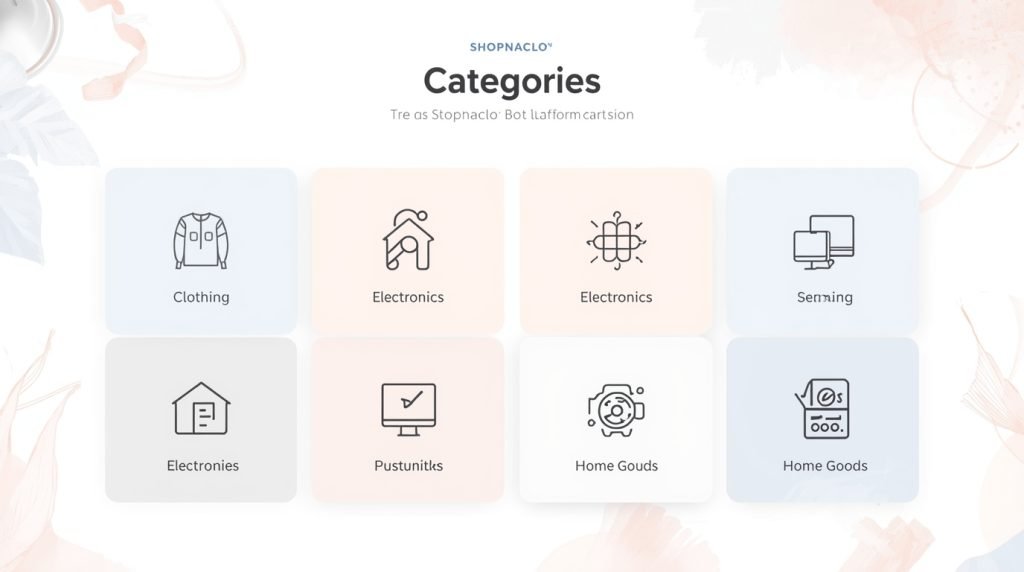
Beginning a paragraph with categories on shopnaclo highlights its strategic marketing value. Platforms can leverage categories to display seasonal collections, trending products, or promotional bundles. This method allows marketers to segment audiences and present items in a way that resonates with specific consumer groups.
Mid-paragraph, categories on shopnaclo also enable dynamic content adjustments. For instance, if a particular category gains traction due to current events or trends, platforms can highlight relevant products, adjust pricing, or recommend accessories that complement the primary items. These marketing strategies depend heavily on organized categorization to be effective.
The Psychological Impact of Structured Navigation
Reducing Cognitive Overload
categories on shopnaclo at the start of this discussion demonstrates its importance in minimizing cognitive load for users. Large inventories can overwhelm shoppers, leading to frustration and abandoned carts. Clear, concise categories help users focus on items of interest without unnecessary distractions.
Mid-paragraph, categories on shopnaclo contributes to positive psychological reinforcement. Users feel a sense of control when they can navigate a site efficiently. This perception of control reduces shopping anxiety and enhances overall satisfaction, which directly correlates with higher conversion rates.
Increasing Engagement and Time on Platform
categories on shopnaclo also impacts user engagement. When shoppers find a platform intuitive, they are more likely to explore additional categories and discover items beyond their initial intent. This increases average session duration and provides more opportunities for sellers to showcase their products.
In the middle of this explanation, categories on shopnaclo ensures that users can easily pivot between categories based on interest. For example, a user exploring electronics may seamlessly transition to accessories or complementary items, increasing both exposure and potential purchases.
Data-Driven Insights Through Categorization
Understanding Consumer Behavior
Starting a paragraph with categories on shopnaclo emphasizes its role in gathering actionable insights. Platforms track interactions within each category to identify patterns in browsing, preferences, and purchasing behavior. This data informs decisions about inventory, marketing campaigns, and personalized recommendations.
Mid-paragraph, categories on shopnaclo allows for precise segmentation. Analytics derived from category-specific behavior helps merchants identify trending products, seasonal shifts in demand, and underperforming inventory. By understanding these patterns, platforms can optimize product placement, promotional strategies, and stock management.
Informing Product Development
categories on shopnaclo also provides feedback for product development. Observing how users interact with different categories can reveal unmet needs or emerging preferences. Manufacturers and sellers can use this information to innovate, expand their offerings, and tailor future products to market demand.
In the middle of this paragraph, categories on shopnaclo illustrates how structured categorization contributes to long-term strategy. Continuous monitoring and adaptation ensure that the platform remains relevant, responsive, and aligned with evolving consumer expectations.
Integrating Search and Filtering With Categories
Improving Search Accuracy
categories on shopnaclo plays a central role in refining search results. When users enter search terms, the system can cross-reference keywords with relevant categories to provide precise results. This reduces frustration and ensures that shoppers quickly find the items they want.
Mid-paragraph, categories on shopnaclo also enhances filtering options. Users can combine category selection with filters such as price, brand, or ratings to narrow down results efficiently. This layered approach transforms the shopping experience into a streamlined, user-friendly process.
Facilitating Personalized Recommendations
Starting a paragraph with categories on shopnaclo emphasizes its value in delivering personalized experiences. By analyzing user interactions within categories, platforms can suggest products that align with prior searches or purchases, increasing satisfaction and conversion rates.
Midway through, categories on shopnaclo ensures that recommendations feel intuitive rather than random. Personalized suggestions not only improve engagement but also encourage repeat visits, building loyalty and long-term user retention.
The Role of Mobile Optimization in Category Navigation
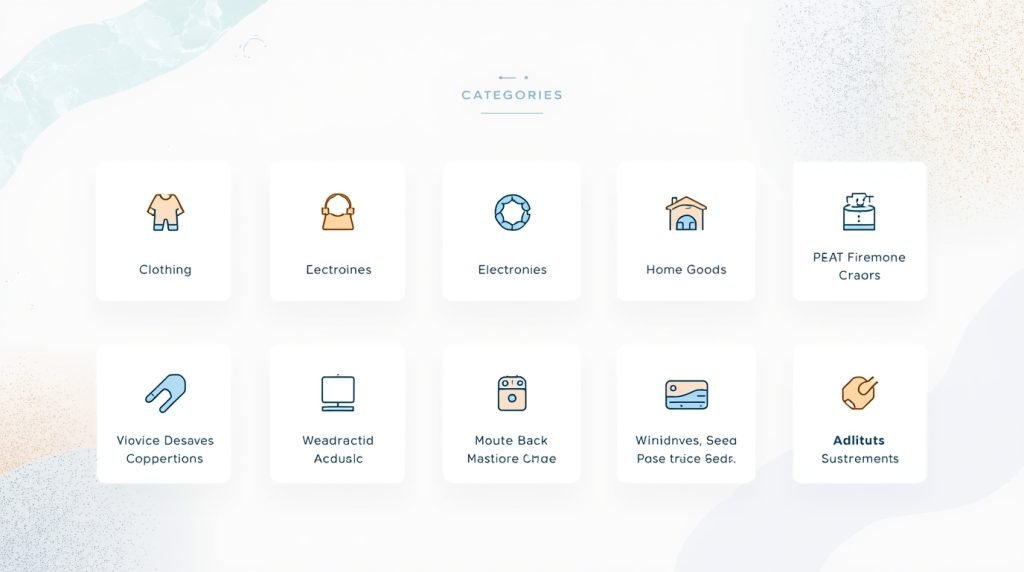
Mobile-Friendly Design
categories on shopnaclo begins the discussion of mobile optimization, an essential aspect of modern e-commerce. With a majority of consumers using mobile devices to shop, intuitive category layouts and easy-to-tap navigation are crucial for user retention.
Mid-paragraph, categories on shopnaclo ensures that category hierarchies remain readable and accessible on smaller screens. Responsive design, combined with concise labels and collapsible menus, makes navigation seamless and enhances the overall shopping experience.
Voice and AI Integration
Starting a paragraph with categories on shopnaclo, it is important to highlight emerging technologies such as voice search and AI-assisted shopping. Categories support these innovations by structuring content in ways that algorithms can easily interpret, allowing for faster and more accurate search results.
In the middle of this discussion, categories on shopnaclo aids AI algorithms in recommending products, grouping similar items, and predicting user preferences. This technology-driven approach ensures that even complex inventories remain manageable and accessible to all users.
Maintaining Relevance and Updating Categories
Seasonal and Trend-Based Adjustments
categories on shopnaclo illustrates how dynamic categorization helps platforms remain current. Trends, seasonal products, and new releases require constant updates to category structures to ensure relevance and maintain user interest.
Mid-paragraph, categories on shopnaclo allows for flexible categorization strategies. Platforms can introduce temporary categories for limited-time offers, seasonal collections, or trending items. This responsiveness ensures that the user experience feels fresh and engaging throughout the year.
Continuous Optimization for User Experience
Starting a paragraph with categories on shopnaclo, continuous evaluation of category performance helps improve navigation, usability, and conversion rates. Platforms regularly analyze engagement metrics to identify gaps, reorganize structures, and remove redundancies.
Midway through, categories on shopnaclo ensures that optimization strategies are data-driven. By constantly refining the categorization system, platforms create a smoother, more satisfying experience for users while maximizing operational efficiency.
Conclusion: The Future of Categorization in E-Commerce
In modern online retail platforms, categories on shopnaclo serve as more than just organizational tools—they are essential for guiding user experience, enhancing discoverability, supporting marketing strategies, and providing actionable insights. Well-structured categories reduce cognitive load, improve engagement, and foster loyalty, all while enabling precise data collection and informed decision-making.
Mid-conclusion, categories on shopnaclo emphasizes the continued importance of innovation. As technology evolves, platforms will increasingly integrate AI, personalization, and adaptive interfaces, making categorization even more central to the digital shopping experience. By focusing on intelligent, user-centered category design, e-commerce platforms ensure that their vast inventories remain accessible, relevant, and compelling to every shopper.