CEO of Bang Energy – Leadership, Marketing, and Industry Impact Explained
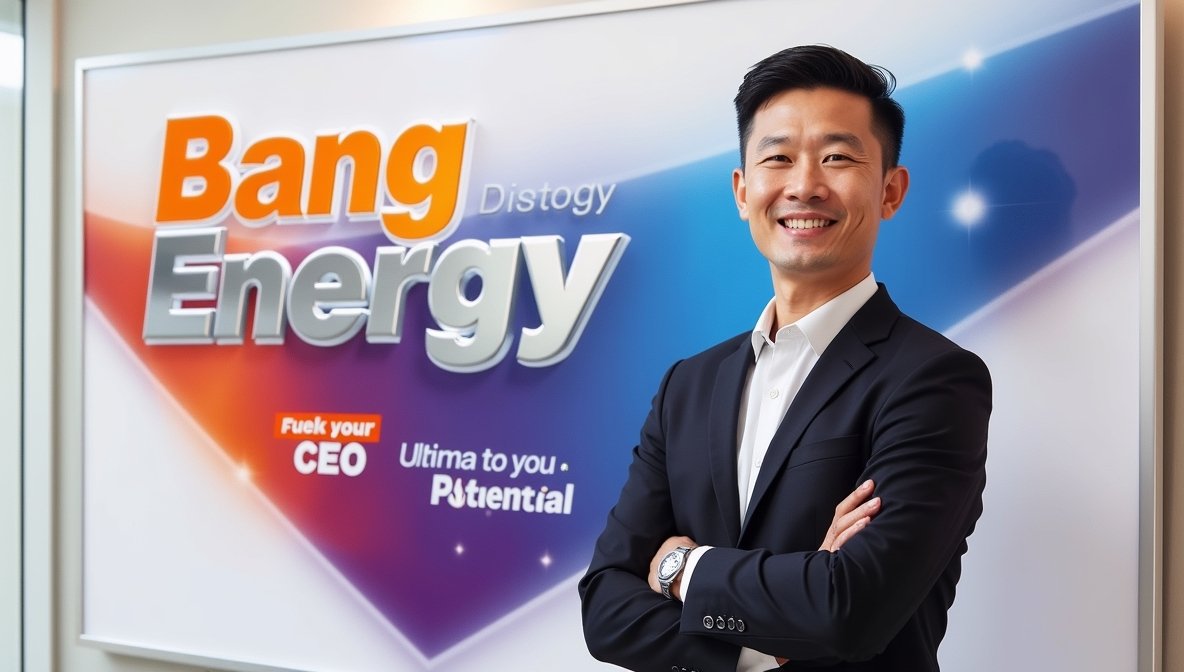
The energy drink industry has grown rapidly over the past two decades, becoming a competitive market filled with bold branding, aggressive marketing, and strong personalities behind major companies. Among these, Bang Energy has emerged as a recognizable name, largely due to its outspoken leadership and unconventional strategies. Many consumers and business analysts alike have taken an interest in the identity and influence of the ceo of bang energy, whose approach to branding and business management has helped shape the company’s public image.
Leadership in such a competitive industry requires more than simply managing production and sales. It involves understanding consumer psychology, anticipating trends, and creating a brand identity that resonates with specific audiences. The story of Bang Energy reflects how leadership style can influence a company’s rise, public perception, and internal culture. By examining the business philosophy behind the brand, one can better understand how it achieved visibility in a crowded market.
This article explores the leadership journey, business mindset, marketing approach, and broader impact associated with Bang Energy’s executive leadership. It also considers how personality-driven branding can both strengthen a company’s presence and create controversy. Through this discussion, readers will gain insight into how leadership decisions influence product identity and market positioning.
Background of Bang Energy
Bang Energy entered the beverage market with a mission to combine performance-focused ingredients with lifestyle branding. Unlike traditional energy drinks that targeted general consumers, Bang Energy positioned itself as a fitness-oriented beverage, appealing to gym enthusiasts and athletes. This strategic focus helped the brand carve out a distinct space within the industry.
The role of leadership was critical during the company’s early expansion. Decisions about formulation, packaging, and sponsorships were shaped by a desire to differentiate from competitors. The brand emphasized zero sugar, bold flavors, and associations with strength and endurance. These elements contributed to its rapid rise in visibility across social media and fitness communities.
Over time, Bang Energy’s marketing became increasingly tied to the public persona of its leadership. The ceo of bang energy became a recognizable figure, using personal branding to reinforce the company’s values and image. This approach blurred the line between corporate identity and individual personality, creating a unique dynamic in the beverage market.
Leadership Philosophy
At the core of Bang Energy’s operations is a leadership philosophy centered on confidence, assertiveness, and unconventional thinking. The company’s executive leadership has consistently promoted a vision of dominance within the energy drink space, often emphasizing innovation and competitive spirit. bang energy drink caffeine
This philosophy influences not only advertising but also internal decision-making. Employees and partners are encouraged to think boldly and embrace ambitious goals. The leadership style often reflects a belief in personal drive and resilience as keys to success. Such traits are frequently highlighted in company messaging, reinforcing the idea that energy drinks are not merely beverages but symbols of determination and productivity.
The presence of the ceo of bang energy in marketing campaigns further strengthens this philosophy. By positioning leadership as part of the brand narrative, Bang Energy communicates confidence and authority to its audience. This strategy has proven effective in building loyalty among consumers who identify with strength-focused branding.
Marketing and Branding Strategy
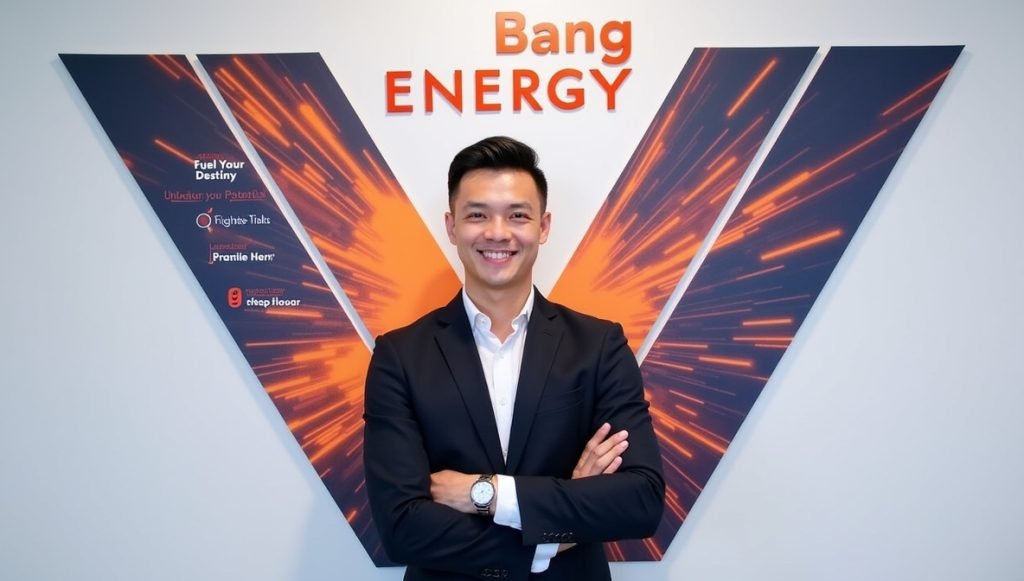
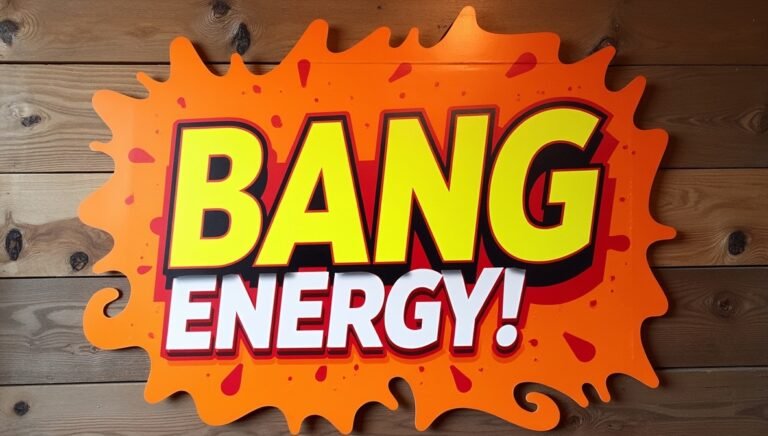
Marketing has played a major role in Bang Energy’s expansion. The brand uses vibrant colors, striking logos, and direct language to capture attention. Social media has been one of its most powerful tools, allowing it to connect directly with fans and fitness influencers.
The brand’s campaigns often focus on empowerment and performance, aligning with gym culture and athletic goals. Sponsorships of athletes and fitness personalities helped establish credibility within these communities. This focus allowed Bang Energy to compete with established brands by offering a distinct identity.
Leadership involvement in marketing sets Bang Energy apart. The ceo of bang energy frequently appears in promotional content, presenting the company as a personal mission rather than a distant corporation. This humanized approach builds a sense of authenticity, even as it invites scrutiny and debate.
Influence on Company Culture
Corporate culture reflects leadership values. At Bang Energy, the emphasis on intensity and ambition shapes daily operations. Employees are often encouraged to adopt the brand’s energetic and driven mindset, reinforcing consistency between internal culture and external image.
Such a culture can inspire motivation and loyalty when aligned with employee values. Workers who resonate with the brand’s high-energy approach may feel empowered and invested in the company’s mission. However, this culture can also create pressure, as expectations for performance and dedication remain high.
The visibility of the ceo of bang energy reinforces these cultural norms. Leadership presence sets a tone for communication, professionalism, and brand representation. This influence extends beyond corporate offices into retail environments and public interactions, shaping how the brand is perceived at every level.
Public Image and Controversy
With strong visibility comes public scrutiny. Bang Energy’s leadership has not avoided controversy, as bold statements and aggressive marketing often draw mixed reactions. While supporters admire the confidence and originality, critics question the tone and claims associated with some campaigns.
Public image management becomes crucial in such cases. A leader who is highly visible must balance assertiveness with responsibility. Decisions regarding advertising claims, partnerships, and public messaging carry significant weight. These choices affect not only brand reputation but also consumer trust.
The ceo of bang energy represents a leadership model where personality and company identity are closely linked. This connection amplifies both positive and negative reactions, making reputation management an ongoing challenge.
Business Growth and Expansion
Bang Energy’s growth reflects strategic positioning and market awareness. Expansion into new regions and product variations demonstrates adaptability within a fast-changing industry. The brand has introduced multiple flavors and formats, responding to consumer demand for variety.
Leadership decisions guide these expansions. Market research, production capacity, and distribution partnerships all depend on executive planning. A focus on innovation allows the company to stay relevant in a competitive environment.
The ceo of bang energy has emphasized long-term vision in public statements, suggesting that growth requires persistence and reinvention. This perspective aligns with the company’s aggressive branding, reinforcing the idea that success is achieved through continuous effort.
Consumer Perception
Consumer perception plays a central role in brand survival. Bang Energy’s audience largely consists of fitness enthusiasts and younger consumers seeking functional beverages. For this group, branding and leadership personality contribute to emotional connection.
Some consumers view the company’s leadership as inspiring, associating it with confidence and ambition. Others remain cautious, focusing more on product ingredients and health considerations. These varied perspectives highlight the complexity of managing a brand with a strong leadership presence.
The ceo of bang energy influences how consumers interpret marketing messages. Leadership behavior becomes part of the product story, shaping how people relate to the brand. This relationship demonstrates the power of personal branding in modern commerce.
Industry Impact
Bang Energy has influenced broader industry trends, particularly in fitness-focused marketing. Other brands have adopted similar approaches, emphasizing performance and lifestyle alignment. This shift reflects changing consumer priorities toward health-conscious yet stimulating beverages.
Leadership innovation has played a role in this shift. By targeting niche markets and building strong identities, Bang Energy demonstrated that specialized branding can compete with mass-market strategies. This lesson has inspired competitors to rethink their messaging and product design.
The presence of the ceo of bang energy as a public figure highlights how leadership can shape industry dialogue. Executive visibility introduces personality into corporate competition, transforming how brands communicate with audiences.
Lessons in Leadership
The story of Bang Energy offers valuable leadership lessons. Confidence, vision, and branding consistency contribute to market recognition. However, these traits must be balanced with accountability and adaptability.
Leaders who integrate themselves into brand narratives assume responsibility for public perception. Their actions become symbols of company values. This dynamic underscores the importance of ethical decision-making and clear communication.
The ceo of bang energy exemplifies a leadership style that merges entrepreneurship with performance branding. This approach demonstrates how individual identity can influence corporate strategy and consumer trust.
The Future of the Brand
Looking forward, Bang Energy’s future depends on maintaining relevance while addressing challenges. Competition remains intense, and consumer expectations continue to evolve. Transparency, innovation, and responsible marketing will shape long-term success.
Leadership will play a central role in navigating these changes. Strategic planning, product development, and reputation management must align with shifting market demands. By focusing on adaptability, the company can sustain its presence.
The influence of the ceo of bang energy will likely remain significant. Whether through public messaging or internal guidance, leadership decisions will continue to define the brand’s trajectory.
Conclusion
Bang Energy’s rise illustrates how leadership personality, branding strategy, and market awareness combine to create a powerful corporate identity. From its fitness-oriented positioning to its bold marketing, the company reflects a vision driven by assertive leadership.
The role of the ceo of bang energy extends beyond management into storytelling and image creation. This integration of personality and brand offers insight into modern marketing dynamics, where consumers seek connection as much as product performance.
Ultimately, the company’s journey highlights the influence of leadership on culture, perception, and growth. As the energy drink industry evolves, Bang Energy’s example demonstrates how executive presence can shape not only a brand but also an entire market segment.